A life dedicated to learning and teaching the Holy Quran. انؒ کی زندگی قرآن مجید سیکھنے اور سکھانے کے لیے وقف تھی۔
اللَّهُ وَلِيُّ الَّذِينَ آمَنُوا يُخْرِجُهُم مِّنَ الظُّلُمَاتِ إِلَى النُّورِ (۲/۲۵۷)
"Allāh is the Ally of those who believe. He brings them out from darknesses into the light."
ﷲ ایمان والوں کا حامی و کارساز ہے، وہ انہیں تاریکیوں سے نکال کر روشنی کی طرف لے جاتا ہے۔
A non-profit organization, for the betterment of humanity. انسانیت کی بہتری کے لیے ایک غیر منافع بخش تنظیم۔
We and our introduction.
There is only one Allah, whom we worship.
Quran is our living Imam.
To implement Allah's book we take guidance from the life of Prophet Muhammad (P.B.U.H).
The only objective of our lives is to make Allah's Quran supreme.
We call ourselves 'Almuslimon' and the name of our group is 'Umat-e-Muslimah'.
We disassociate from any and every political and religious sects.
We accept every 'Ijma', 'Twatur', history and Hadith which is according to Quran. Anything not according to it we do not accept any association of it from Prophet.
In our opinion only implementing Quran is the solution for all the misery in the world.
In our opinion this century is the century of Quran, all other thoughts will lose their credibility.
ہمارا معبود صرف ایک یعنی ایک ﷲ تعالیٰ کی ذات ہے۔
ﷲ تعالیٰ کا آخری کلام (قرآن پاک)ہمارا زندہ امام ہے۔
کتابُ ﷲ کی تبلیغ و تنفیذ کے لئے اسوۂ کمال محمدﷺ کی ذات ہے۔
ہماری زندگیوں کا مقصدِ وحید حاکمیّتِ کتابُ ﷲ کا قیام ہے۔
ہمارا دینی نام المسلون ہماری جماعت کا نام اُمّتِ مُسلمہ اور ہمارے دِینِ اِسلام کا ترجمان ﷲ تعالیٰ کا آخری کلام قُرآن ِپاک ہے۔
ہم تمام مذہبی و سیاسی فرقہ واریتّوں اور بدِعی واحد اثی ناموں اور کاموں سے کُلّی طَور پر بیزارہیں۔
ہمارے نزدیک اجماع ' تواتر' تاریخ اور حدیث کی صحت کو پرکھنے کا معیار ﷲ تعالیٰ کا نازل کردہ کلام (قرآن پاک) ہے جو کچھ اس کے ماتحت ہے ہم اس کی صحت کوتسلیم کرتے ہیں جو اس کے خلاف ہے ہم اس کی نسبت اِلی َالرَّسُول کومشکوک فلہذا جعلی مانتے ہیں۔
ہمارے نزدیک قرآن حکیم کے نفاذ ہی سے مذہبی تفرقہ' سیاسی گروہ بندی' معاشی استحصال اورمذاہب کی انسان دشمنی کا خاتمہ ہو گا اور بس۔
ہمارے نزدیک اکیسویں صدی قُرآنِ حکیم کی صدی ہے فلہذا اس میں غَیرقُرآنی افکارو تصوّرات اپنا مقام و اعتبار کھو بیٹھیں گے۔
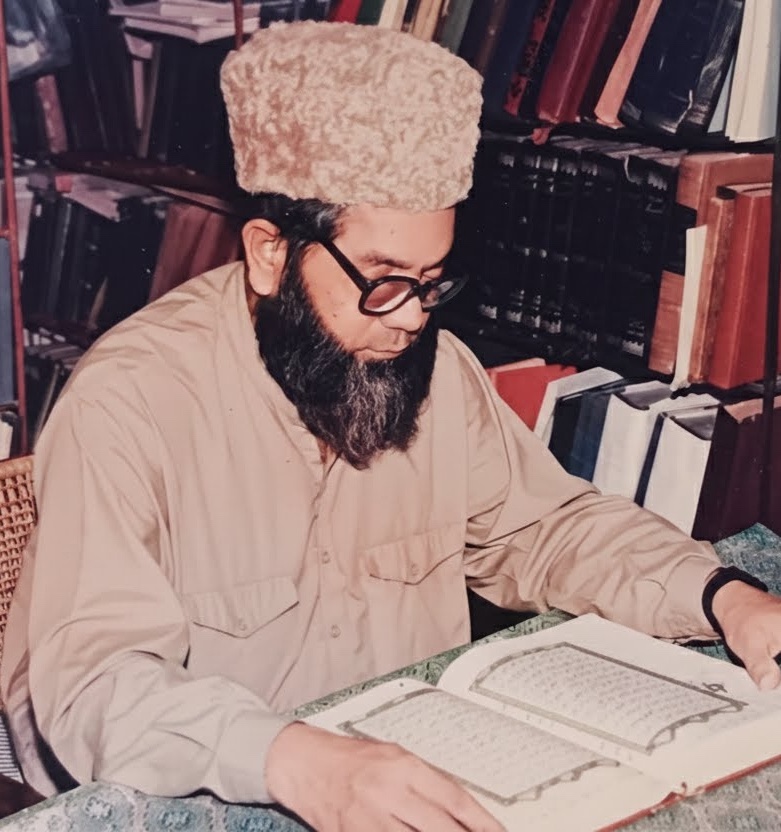
Qazi Muhammad Kifayat Ullah was born in Ferozepur, India, around July or August 1943-1944. He hailed from a noble family known for their lineage of Qazis and Muftis. During the historic partition of the subcontinent in 1947, he was subjected to the trials of forced migration at a very tender age.
In a profound childhood trial described in his own memories, he was separated from his parents during the chaotic journey near the Bikaner canal. Relying solely on divine providence, without companions or provisions, he crossed the borders into Pakistan alone under the cover of night.
He received his primary education in the vicinity of Pakpattan. However, his true spiritual and moral foundation was laid in the lap of his mother and under the affectionate guidance of his grandfather. It was his grandfather who first instilled in him the foundational tenets of Islam and a profound love for the Prophet Muhammad (PBUH).
Through this familial guidance, he was introduced to the educational and reformative ideologies of the prominent elders and scholars of Deoband, including Qasim Nanotvi, Rasheed Ahmad Gangohi, Ashraf Ali Thanvi, Mahmud Hasan, Husain Ahmad Madani, and Shah Abdul Qadir Raipuri. This ideological connection left an indelible mark on his lifelong pursuits.
During his youth, he experienced a profound period of spiritual yearning. The worldly attractions faded, replaced by an intense devotion to Allah and His Prophet (PBUH). Leaving home, he began attending the spiritual gatherings of prominent figures like Allama Ismail Bukhari and Sain Abdul Razzaq Dipalpuri.
It was during this period of spiritual awakening that he realized the vital importance of mastering the Arabic language to truly understand Islamic sciences. His quest for knowledge led him first to Jamia Muhammadiya Okara, then Ashraf-ul-Madaris Okara, and ultimately to Darul Uloom Jamia Usmania. Here, immersed in the methodologies of revered scholars, he successfully completed the comprehensive 'Adib Arabi' (formerly Maulvi) curriculum, laying the groundwork for his lifelong service to the Quran.
قاضی محمد کفایت اللہ کی ولادت جولائی یا اگست 1943/1944ء کو فیروز پور، انڈیا میں ایک علمی گھرانے میں ہوئی جو خاندانی حوالے سے قاضی اور مفتی کہلاتے تھے۔ تقسیم ہند اور قیام پاکستان کے وقت ہجرت کا کٹھن سفر پیش آیا۔
اپنی یادداشتوں کے مطابق، کمسنی میں ہجرت کے دوران ریاست بیکانیر میں بہنے والی نہر کے کنارے وہ اپنے والدین سے بچھڑ گئے۔ بلا زادِ راہ اور بغیر کسی ساتھی کے، اللہ تعالیٰ کی مشیت سے رات کی تاریکی میں تنِ تنہا پاکستان کی حدود میں داخل ہوئے۔
آپ نے پرائمری تعلیم پاکپتن کے قرب و جوار میں حاصل کی۔ تاہم اسلامی تعلیم و تربیت کا باقاعدہ آغاز والدہ ماجدہ کی آغوشِ رحمت سے ہوا۔ یتیمی کے بعد دادا جان کی شفقت نے کلمہ طیبہ اور اس کے مطالبات کا ابتدائی سبق پڑھایا اور نبی کریم ﷺ کی محبت قلب میں راسخ کی۔
انہی کی بدولت اکابر علمائے دیوبند، جیسے قاسم نانوتویؒ، رشید احمد گنگوہیؒ، اشرف علی تھانویؒ، اور شیخ الہند محمود الحسنؒ کے تعلیمی اور اصلاحی افکار سے ایسا قلبی رابطہ ہوا جو زندگی بھر قائم رہا۔
جوانی میں تلاشِ الٰہی کی ایسی تڑپ پیدا ہوئی کہ دنیا اور اس کی جاذبیتوں سے دل بالکل اٹھ گیا۔ اسی وارفتگی میں گھر بار چھوڑ کر علامہ اسماعیل بخاری اور سائیں عبد الرزاق دیپالپوری مرحوم کی مجالسِ صالحہ میں حاضری دینے لگے۔
اسی روحانی کیفیت کے دوران عربی زبان اور علومِ اسلامیہ کی اہمیت کا احساس ہوا۔ تلاشِ علم کا یہ سفر جامعہ محمدیہ اوکاڑہ اور اشرف المدارس اوکاڑہ سے ہوتا ہوا دارالعلوم جامعہ عثمانیہ تک پہنچا۔ یہاں آپ نے نامور علماء کی سرپرستی میں 'ادیب عربی' (سابقہ مولوی) کے نصاب کی کامیابی سے تکمیل کی۔
| Bornپیدائش | c. 1943/1944 Ferozepur, India1943/1944ء فیروز پور، انڈیا |
|---|---|
| Diedوفات | 11 April 2015 Lahore, Pakistan۱۱ اپریل ۲۰۱۵ء لاہور، پاکستان |
| Lineageخاندان | Family of Qazis & Muftisقاضی اور مفتی |
| Known forوجہ شہرت | Quranic Scholar, Teacherعالمِ قرآن، معلم |
| Educationتعلیمی ادارے |
Jamia Usmania Jamia Muhammadiya Ashraf-ul-Madaris جامعہ عثمانیہ جامعہ محمدیہ اشرف المدارس |
| Organizationتنظیم | Tehreek Nida-e-Furqan |
A chronological timeline of his significant milestones and achievements. ان کی زندگی کے اہم سنگ میل اور کارناموں کی تاریخ۔
Born into a noble family renowned for their legacy as Qazis and Muftis in Ferozepur, India. انڈیا کے شہر فیروز پور میں ایک علمی گھرانے میں ولادت ہوئی، جو خاندانی حوالے سے قاضی اور مفتی کہلاتے تھے۔
During the historic partition, he faced a harrowing forced migration. Separated from his parents, he miraculously crossed the border into Pakistan entirely alone. تقسیمِ ہند کے کٹھن سفر میں کمسنی کے عالم میں والدین سے بچھڑ گئے اور تنِ تنہا رات کی تاریکی میں پاکستان کی حدود میں داخل ہوئے۔
Received formal schooling near Pakpattan, while his mother and grandfather instilled profound Islamic values and love for the Prophet, connecting him to Deobandi ideologies. پاکپتن میں پرائمری تعلیم کے ساتھ ساتھ والدہ اور دادا جان کی شفقت سے اسلامی تربیت پائی اور اکابر علمائے دیوبند کے افکار سے روشناس ہوئے۔
A period of intense spiritual yearning led him to leave home, seeking divine truth in the gatherings of spiritual masters and realizing the importance of the Arabic language. تلاشِ الٰہی میں دنیا سے بے رغبتی اختیار کی، روحانی مجالس میں شرکت کی اور اسی دوران عربی زبان کی اہمیت کا گہرا احساس ہوا۔
Enrolled in Jamia Usmania (and others), where under the influence of great scholars, he successfully completed the comprehensive 'Adib Arabi' curriculum. جامعہ عثمانیہ اور دیگر اداروں سے وابستہ ہوئے اور نامور علماء کی سرپرستی میں 'ادیب عربی' کے نصاب کی تکمیل کی۔
Explore his written legacy and teachings. ان کی تحریری میراث اور تعلیمات کا مطالعہ کریں۔
Details and description of this publication will be added here soon. اس تصنیف کی تفصیلات جلد یہاں فراہم کی جائیں گی۔
Every Individual is bound to be respected (17:70) and provided the basic needs for living (2:36).
The missions of Prophets were to establish the values system of equality in every walk of life (57:25).
After the last prophet, Quran is the Active Judge and the Authority for Muslims (4:165).
Believing in the oneness of Allah has to be practically implemented (20:50).
We can only get results from our belief in Allah and Rasul if our belief in the Quran is pure (47:1-2).
Sectarianism is not only 'Shirk' (30:32) but worse than 'Shirk' (20:94). Also puts a barrier between the Prophet and the Ummah (6:159).
The reason for our decline is that we make enemies who has a different opinion and idolize whom we love.
Our reestablishment is based upon making Allah's Quran our Imam (14:27, 11:17, 32:24, 46:12) and making such an institution which is answerable for implementing Quran (3:99-100).
It is not possible to restore the former glory of Muslim Umah, until we remove the economic dead locks and Militarily reestablishment of Ummah (9:39, 47:38).
It is the primary goal of 'Taheerk Nida-e-Furqan' to prepare/educate/train the Young Leaders, which will achieve the formally defined objectives. (10:89)
"And victory is not but from Allah, the Exalted in Might, the Wise." (3:126, 8:10, 30:47)
ہر ابنِ آدم واجبُ التکریم(١٧/٧٠)اور بنیادی ضروریات ِزندگی کا آئینی طور پر حق دار ہے(٢/٣٦)۔
نبیوں کی بِعثت اور کتابوں کے نزول کا مقصد عالمِ اِنسانیّت میں عدالت ورَبُوبیّت اوراخوت و مساواتِ اِنسانی کاقیام ہے (٥٧/٢٥)۔
ختمِ نبوّت کے بعد صحیفہِ اِنقلاب قرآن حکیم کی حَیثیّت "المیزان "اور " حُجّۃُمن بَعْدَالرُّسُلِ" کی ہے (٤/١٦٥)۔
اِیمان بِاللہ سے مُرادصِرف ما بعد الطبیعی طَور پر اَللہ کو خالق ماننا نہیں بلکہ ِاِسے دراصل عالمِ اِنسانی کے مسائِل ومُشکلات کے حوالے سے الہادی ماننا ہے (٢٠/٥٠)۔
اِنسانی دُنیا میں اِیمان بِاللہ اور اِیمان بِالرُّسُول ؐکی نتیجہ خیزی اِیمان بِالقُرآن سے مشروط ہے(٤٧/١۔٢)۔
تفرّقہ بازی شِرک(٣٠/٣٢)بلکہ ِشِرک سے بدتر(٢٠/٩٤)فلہذا اُمّت اور اُس کے رسولؐ کے درمیان خلیج حائِل کرنے والی ہے(٦/١٥٩)۔
ہمارے زوال کا باعث ہمارا یہ طرزِ عمل اور ذہنیّت ہے کہ ہم اختلاف کو مخالفت اورمحمُود اشخاص کو معبُود بنا لیتے ہیں ۔
ہمارا دوبارہ ثبات و استحکام کتابُ ﷲ کی اِمامت کے قیام (١٤/٢٧، ١١/١٧، ٣٢/٢٤، ٤٦/١٢) اور ایک ایسے مِلّی ادارے کے قیام سے مشرُوط ہے جوکتابُ ﷲ کی کُلّی و ہمہ گیر تنفیذ کاذِمّہ دار و جوابدِہ ہو(٣/٩٩۔١٠٠)۔
اُمّتِ مُسلمہ کے زوال کا تدارک مسلم عسکری قُوّت کے حصُول و قیام اور انکی زندگیوں سے معاشی تعطّل دُور کئے بغیر نہیں ہو سکتا (٩/٣٩، ٤٧/٣٨)۔
محولہ بالا مقاصد کے حصُول کے لیے صاحبانِ علم و عمل نوجوان قائدِین کی تعلیم و تربیت کا انتظام وانصرام کرنا تحریک ندائے فرقان کا بنیادی مقصدہے (١٠/٨٩)
وما النصر الا من عند الله العزيز الحكيم (٣/١٢٦،٨ /١٠،٣٠/٤٧)